 ultimate-guide
How to Choose a Lawn Care Company: 2026 Guide
Table of Contents
- How to Choose a Lawn Care Company: Start With Your Lawn's Actual Needs
- Comparing Lawn Mowing, Treatment Plans, and Maintenance Options
- Weekly or Biweekly? Setting the Right Service Frequency
- Key Questions to Ask a Lawn Care Company Before You Sign
- How to Compare Lawn Care Quotes Without Getting Fooled
- Red Flags When Hiring a Lawn Care Service
- Licensing, Insurance, and What to Verify Before Work Begins
- Conclusion: Making a Confident Lawn Care Company Decision
- Frequently Asked Questions
Last Updated: October 5, 2026
How to Choose a Lawn Care Company: Start With Your Lawn's Actual Needs
Choosing the right lawn care company starts with an honest assessment of your property, not a comparison of advertisements. At EarthWise Lawn and Landscape LLC, we have more than 30 years of hands-on experience.
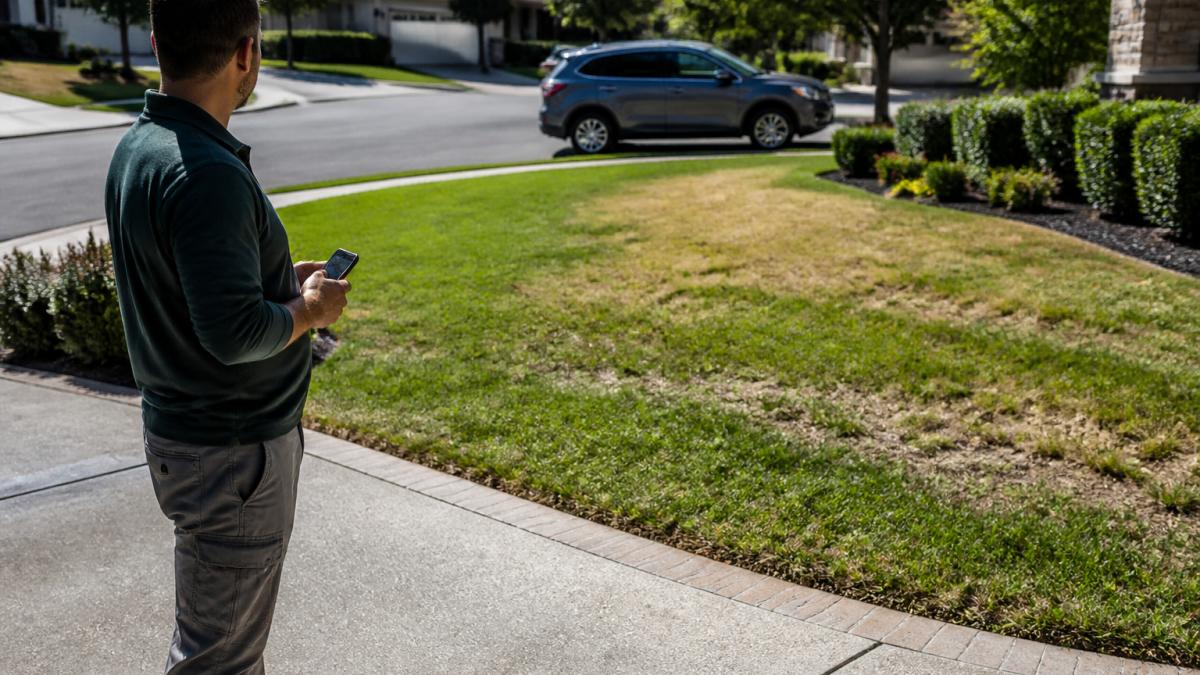
A lawn care company provides recurring maintenance or treatment for residential or commercial turf, typically weekly, biweekly, or seasonally, from a one-person mowing operation to a full-service provider handling fertilization, weed control, and cleanup.
Matching Service Type to Your Property Conditions
Not every lawn needs the same program, and a provider that pushes one package for every property is telling you something. A small, heavily landscaped yard demands different equipment and pace than an open half-acre of fescue.
- Simple mowing and edging: Best for healthy lawns that only need regular cutting and trimming.
- Mowing plus seasonal treatments: Suited to lawns fighting weeds, thin patches, or compacted soil.
- Full maintenance programs: For larger properties or owners who want cleanup, mulching, and trimming handled together.
A customized approach matters more than a long feature list.
Comparing Lawn Mowing, Treatment Plans, and Maintenance Options
Lawn mowing handles height and appearance; treatment plans address what is happening beneath the surface.
Mowing done correctly means cutting at the proper height for your grass type with sharp blades, then varying the pattern so ruts and lean do not develop.
| Service Type | What It Covers | Best For | Frequency |
|---|---|---|---|
| Mowing only | Cutting, edging, trimming | Healthy lawns, tight budgets | Weekly or biweekly |
| Mowing + treatment | Cutting plus fertilizer and weed control | Lawns with weeds or thin grass | Weekly mowing, seasonal treatments |
| Full maintenance | Mowing, treatments, mulching, cleanups | Larger or high-visibility properties | Year-round program |
If a provider cannot explain how their mowing height or blade care affects grass health, that is your first signal to keep looking.
Weekly or Biweekly? Setting the Right Service Frequency
Weekly service suits most lawns during peak growing season, while biweekly visits work for slower-growth periods or smaller, shaded yards. Service frequency should follow your grass, not a sales script: cool-season grasses surge in spring and fall, warm-season grasses peak in summer heat.
During rapid growth, a weekly schedule keeps clippings manageable and prevents the lawn from looking shaggy. Cutting too much at once stresses grass and leaves clumps that smother it.
Key Questions to Ask a Lawn Care Company Before You Sign
The right questions separate a professional operation from a crew with a trailer. Write these down and ask every provider you contact.
- Who exactly will service my property, and will it be the same team each visit?
- How do you handle scheduling around weather or my travel?
- What is your policy if I am not satisfied with a visit?
- Are you licensed and insured, and can I see documentation?
Reliability and communication matter as much as cutting quality. A provider who cannot answer these clearly before the first invoice will be harder to reach after it.
How to Compare Lawn Care Quotes Without Getting Fooled
Comparing lawn care quotes means normalizing the details before comparing totals. Two estimates for the same yard can look identical on price and cover completely different work, so convert every quote into the same unit.
Start by asking each provider to price the same scope in writing. Then build a simple comparison grid with one column per provider and these rows:
- Scope: mowing, trimming, edging, blowing, and whether cleanup is included
- Frequency: weekly, biweekly, or seasonal, and how weather delays are handled
- Treatment: whether fertilizer and weed control are included or billed separately
- Cost structure: cost per cutting versus a flat monthly cost
Normalize the price before you compare it
A per-cut price and a monthly price are not the same number. Multiply the per-cut price by the visits you expect in a season, then compare that annualized figure to the flat monthly quote multiplied by twelve.
Do the same with scope. If one quote includes edging and clipping haul-away and another does not, add the cost of doing that work yourself or hiring it separately.
Read the contract, not just the estimate
The estimate tells you what the work costs. The contract tells you what happens when something goes wrong. Before you sign, find these clauses and read them carefully:
- Term and renewal: Is it month-to-month, seasonal, or an annual agreement that auto-renews? Auto-renewal clauses are common and easy to miss.
- Cancellation: How much notice is required, and is there a fee for canceling mid-season?
- Price adjustments: Can the company raise the rate mid-term, and how much notice must it give?
- Guarantees: What does the satisfaction guarantee actually cover, a re-cut, a refund, or nothing?
- Add-on fees: Are fuel surcharges, bagging fees, or holiday-week surcharges billed on top of the quoted price?
Ask the provider to state the guarantee in writing rather than describing it verbally.
A worked comparison example
If a provider cannot explain how their mowing height or blade care affects grass health, that is your first signal to keep looking. What most guides miss is that dull blades tear grass rather than cut it, leaving jagged tips that brown at the edges.
Red Flags When Hiring a Lawn Care Service
Red flags when hiring a lawn care service usually show up before the first mow:
- No written estimate. Legitimate providers put scope and price in writing.
- Pressure to sign on the spot. Good companies let you think it over.
- No proof of licensing or insurance. Ask, and expect a straight answer.
- Cash-only, no-receipt requests. This leaves you with no record if something goes wrong.
- Vague answers about equipment. Professional equipment and maintained blades are basic.
What to do when a visit is missed or the work is poor
Most problems with lawn care are not fraud, they are missed visits, sloppy edges, or a treatment that did not take. How you handle the first complaint often determines whether it stays small or becomes a dispute.
Follow this sequence:
- Document the problem the same day. Take dated photos of the missed area or the poor cut. Note the date and time of the scheduled visit.
- Check the contract first. Confirm what the agreement says about re-cuts, credits, and notice periods before you call.
- Raise it in writing. Email or text creates a record. State the date, the issue, and what you want, a re-cut, a credit, or a refund.
- Give a reasonable window to fix it. Most reputable companies will send a crew back within a few days. Put the deadline in your message.
- Escalate in order. If the crew does not respond, go to the owner or office manager. If that fails, move to the next step below.
Escalation paths if the company will not resolve it
- Payment dispute: If you paid by credit card, you may be able to dispute the charge under your card issuer's policies. Keep your contract, invoices, and photos ready.
- Consumer protection agency: Your state attorney general's office and the Federal Trade Commission consumer advice both accept complaints about deceptive business practices.
- Licensing board: If the company holds a state or local license, especially a pesticide applicator license, a complaint to the issuing agency can carry real weight.
- Small claims court: For smaller dollar amounts, small claims court is often the fastest route. The paper trail you built in step one is your evidence.
Red flags that should end the relationship immediately
Some problems are not worth resolving. Walk away if a provider:
- Asks for full payment upfront before any work is done
- Cannot produce proof of insurance after you have asked twice
- Applies fertilizer or weed control without telling you what product is being used
- Sends a different crew every visit with no consistent point of contact
- Ignores your written complaint entirely
Licensing, Insurance, and What to Verify Before Work Begins
Verification takes ten minutes and prevents most serious problems. Before any crew touches your property, confirm three things:
- Business licensing. Many states and localities require lawn care businesses to register, and some require a pesticide applicator license for anyone applying fertilizer or weed control. Requirements vary by state, so check your state's agriculture or environmental agency.
- General liability insurance. This covers damage to your property, like a broken window or a cracked irrigation head.
- Workers' compensation coverage. If a worker is injured on your property and the company carries no coverage, the situation can become your problem.
Ask for certificates directly, and do not accept "we're covered" as an answer. The U.S. Small Business Administration guidance on hiring contractors recommends verifying insurance and licensing before work begins, and the U.S. Environmental Protection Agency information on pesticide applicator certification explains why applicator credentials matter if treatments are part of your plan. For broader consumer protection questions, the Federal Trade Commission consumer advice is a useful starting point.
Here is a quick checklist to run through before signing:
- Written estimate with scope, frequency, and cost structure
- Proof of business license or registration
- Certificate of general liability insurance
- Workers' compensation coverage confirmed
- Pesticide applicator license, if treatments are included
Conclusion: Making a Confident Lawn Care Company Decision
The hardest part of hiring lawn care is not finding a company. It is finding one that shows up on the agreed day, cuts at the right height, and answers the phone when something looks off.
At EarthWise Lawn and Landscape LLC, more than 30 years of hands-on experience and a family tradition rooted in hard work and integrity shape how we work.
Frequently Asked Questions
What is the 1/3 rule in lawn care?
The 1/3 rule means you should never cut more than one-third of the grass blade height in a single mowing. If your lawn is 4 inches tall, cut it down to no less than 2.7 inches. Following this rule keeps grass healthier, reduces stress on the root system, and helps prevent weed growth. When interviewing a lawn care company, ask whether their mowing schedule and cutting heights follow this standard.
What questions should I ask a lawn care company before hiring them?
Ask about licensing, insurance coverage, and whether the same crew will service your property each visit. Find out how they handle scheduling changes, what happens if you are unhappy with a service, and whether they use a written contract. Also ask about mowing height, blade sharpening frequency, and whether fertilization or weed control is included. A reputable lawn care company will answer these without hesitation.
How do I compare lawn care quotes fairly?
Line up each quote side by side and check what is actually included: mowing, trimming, edging, blowing, fertilization, weed control, and seasonal cleanups. A lower price may exclude services you assumed were covered. Compare the service frequency, contract length, and payment terms too. Request quotes for the same scope of work so you are comparing apples to apples, not just looking at the bottom-line number.
What are some red flags when hiring a lawn care service?
Watch for companies that demand full payment upfront, cannot provide proof of insurance, or refuse to put terms in writing. High-pressure sales tactics, vague answers about who will actually show up, and no local references are also warning signs. If a provider will not walk your property before quoting or cannot explain their mowing height and treatment approach, look elsewhere.
Should I choose the cheapest lawn care quote?
Not automatically. The lowest quote often excludes trimming, edging, or treatment services that higher quotes include. Compare the full scope of work, not just the monthly number. A slightly higher price from a company with proper licensing, consistent crews, and clear communication often costs less over time than fixing damage from cut-rate work. Value matters more than the lowest bid.