 ultimate-guide
Professional Lawn Mowing Service Near Me: 2026 Cost Guide
Table of Contents
- What a Professional Lawn Mowing Service Actually Includes
- Average Cost of Lawn Mowing Per Visit in 2026
- DIY vs. Professional Mowing: The Real Cost Comparison
- How to Prepare Your Lawn for a Mowing Service
- Lawn Mowing Service Red Flags to Watch For
- Seasonal Lawn Care Calendar: What to Expect Each Quarter
- Eco-Friendly and Organic Lawn Care Options
- Checklist for Vetting a Local Lawn Care Provider
- Frequently Asked Questions
Last Updated: September 23, 2026
What a Professional Lawn Mowing Service Actually Includes
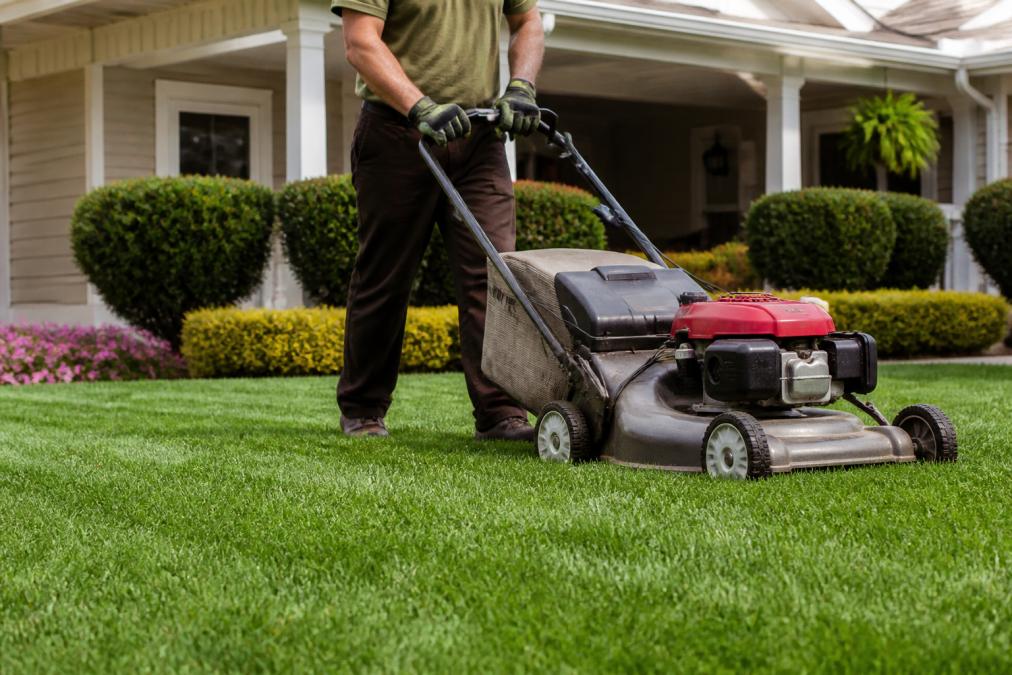
A professional lawn mowing service is a scheduled maintenance program in which trained crews cut, trim, and edge your turf grass using commercial equipment, then remove the clippings and debris. At EarthWise Lawn and Landscape LLC, that baseline service has looked the same for over 30 years: proper mowing heights, sharp blades, and a clean finish on every visit.
Mowing, Trimming, and Edging
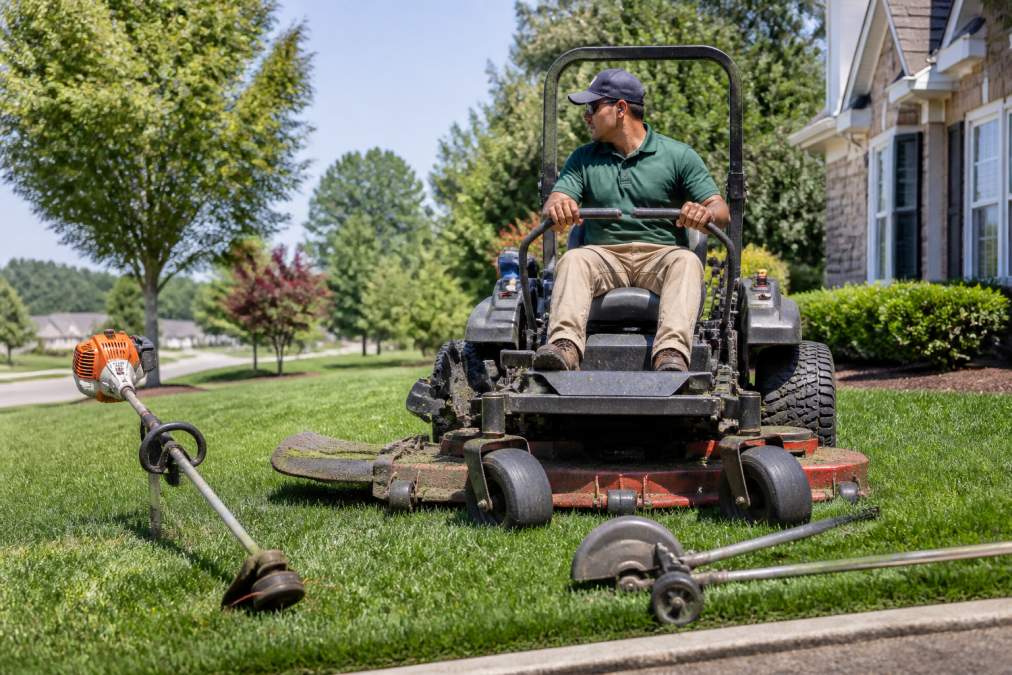
Mowing is the visible part. Trimming and edging are what make a yard look finished. A complete visit typically covers:
- Cutting turf grass to the correct height for the season and grass type
- Trimming around fences, trees, foundations, and flower beds
- Edging along sidewalks, driveways, and curbs
- Blowing clippings off hard surfaces
Add-On Services That Cost Extra
Most providers quote mowing as the base service and price everything else separately. Common add-ons include aeration, overseeding, weed removal, fertilization, leaf cleanup, and yard debris removal. Ask for a written scope before the first visit so you know exactly what the base rate covers.
Average Cost of Lawn Mowing Per Visit in 2026
There is no single national rate for lawn mowing because every property is quoted individually. What most providers do publish is a per-visit range tied to lawn size, and that range is the fastest way to sanity-check a quote. Your actual rate depends on your property.
| Lawn Size | Typical Per-Visit Range | Typical Weekly Contract Rate |
|---|---|---|
| Under 1/4 acre | $30-$50 | $25-$45 |
| 1/4 to 1/2 acre | $45-$75 | $40-$65 |
| 1/2 to 1 acre | $70-$120 | $60-$100 |
| Over 1 acre | $100-$200+ | Quoted per property |
What Drives the Price Up or Down
Five variables move the number more than anything else:
- Lawn size, measured in square feet, not acreage alone
- Service frequency, weekly contracts usually cost less per visit than one-time cuts
- Terrain and obstacles, slopes, tight gates, and heavy landscaping slow crews down
- Add-ons, trimming, edging, and debris removal add labor
- Season, spring growth spurts demand more frequent visits
| Factor | Lowers Your Rate | Raises Your Rate |
|---|---|---|
| Lawn size | Small, open yard | Large or multi-zone property |
| Frequency | Weekly schedule | One-time or on-demand |
| Terrain | Flat, unobstructed | Slopes, tight access |
| Add-ons | Mow only | Trim, edge, haul debris |
| Season | Dormant months | Peak spring growth |
How Providers Actually Build a Quote
Understanding the mechanism behind the number helps you negotiate. Most crews estimate a property by combining three inputs: square footage of turf, an obstacle factor for trees, beds, and tight access, and a time estimate for the visit. A crew that can mow, trim, and edge a standard quarter-acre lot in 25 minutes can price it lower than one that needs 45 minutes because of a sloped, heavily landscaped yard.
One-Time Cuts vs. Seasonal Contracts
One-time cuts carry a premium because the crew cannot route your property efficiently into a weekly schedule. Expect to pay 20-40% more per visit for a single mow than for the same yard on a weekly contract. Seasonal contracts, usually running spring through fall, spread the cost and lock in your day and time slot.
DIY vs. Professional Mowing: The Real Cost Comparison
Most pricing pages tell you professional mowing costs more than doing it yourself. That is only true if your time is worth nothing and your equipment is free. Run the full numbers and the gap narrows fast.
The Real Cost of DIY Mowing
A homeowner mowing a standard quarter-acre lot spends roughly 45-60 minutes per cut once setup, mowing, trimming, edging, and cleanup are counted. Over a 30-week growing season, that is 22-30 hours of your time. Add the hard costs:
- Mower: a decent self-propelled gas mower runs $300-$600 and lasts 5-8 years with care
- String trimmer and edger: $150-$350 combined
- Fuel and oil: roughly $3-$6 per cut depending on mower size and local gas prices
- Maintenance: annual tune-up, oil changes, spark plugs, and blade sharpening run $80-$150 per year
- Replacement and repair: belts, wheels, and carburetor work add up; a mid-range mower often needs a $100+ repair within five years
The Time Value Question
If you value your weekend time at even $20 per hour, 25 hours of mowing is $500 of your time. Add the $250-$500 in hard costs and DIY mowing effectively costs $750-$1,000 per season. The premium you pay for professional service is real, but it is smaller than the sticker price suggests once equipment and time are counted.
Where DIY Still Wins
DIY makes sense if you already own the equipment, enjoy the work, have a small, simple yard, and can mow on a flexible schedule. It also wins if your lawn is small enough that a single cut takes under 30 minutes and you do not need trimming or edging.
Where Professional Wins
Professional mowing wins when any of these are true:
- Your yard is large, sloped, or heavily landscaped
- You travel, work long hours, or cannot commit to a weekly schedule
- You want consistent mowing heights and sharp blades, which residential equipment rarely delivers
- You would rather spend weekends on something other than yard work
- Your HOA or municipality enforces lawn height or appearance standards
Professional crews also bring commercial equipment that cuts faster and cleaner than residential mowers, and they adjust mowing height and frequency to the season. That consistency is what keeps turf healthy and avoids the shock that comes from letting grass grow too tall between cuts.
The Break-Even Point
The honest answer is that DIY and professional mowing break even around the point where your time becomes scarce or your yard becomes complex. Small, flat, simple yards favor DIY. Larger, sloped, or heavily planted yards favor professional service, especially once you factor in equipment replacement and the health of the turf itself.
How to Prepare Your Lawn for a Mowing Service
Preparing your lawn for a mowing service takes about ten minutes the day before your first visit. Clear the yard, mark obstacles, and communicate access details so the crew can work efficiently from day one.
- Remove toys, hoses, pet waste, and yard debris from the turf
- Mark sprinkler heads, lighting, and invisible fence lines
- Unlock gates and provide any gate codes
- Note areas you want left alone, such as a vegetable bed
- Trim back low-hanging branches that block mower access
Lawn Mowing Service Red Flags to Watch For
The clearest lawn mowing service red flags are vague pricing, no written scope, and crews that change every visit. Any one of these signals a provider that will frustrate you within a season.
Watch for these warning signs:
- Quotes given only over the phone without seeing the property
- No written agreement or service schedule
- Different crew members on every visit with no point of contact
- Pressure to sign a long-term contract before a trial cut
- No clear answer about what happens if you are unhappy with the work
Seasonal Lawn Care Calendar: What to Expect Each Quarter
Lawn care needs change with the seasons, and a good provider adjusts the schedule accordingly.
| Season | Primary Focus | Typical Frequency |
|---|---|---|
| Spring | Growth surge, weed removal | Weekly |
| Summer | Heat and drought stress | Weekly to bi-weekly |
| Fall | Leaf cleanup, aeration, overseeding | Bi-weekly |
| Winter | Dormancy, minimal cutting | On demand |
Eco-Friendly and Organic Lawn Care Options
Eco-friendly lawn care focuses on soil health and cultural practices rather than heavy chemical inputs. The core techniques are straightforward: mow at the correct height, leave clippings to return nutrients, water deeply but infrequently.
Checklist for Vetting a Local Lawn Care Provider
Vetting a local lawn care provider comes down to five checks: licensing, insurance, written scope, reviews, and a clear point of contact. Run through this list before signing anything.
- Confirm the business is licensed and carries liability insurance
- Request a written quote after an on-site walkthrough
- Ask whether the same crew services your property each visit
- Read recent customer reviews for reliability and quality
- Verify the service area covers your address
- Get the cancellation and satisfaction policy in writing
- Confirm how to reach the owner or manager directly
Frequently Asked Questions
What is the average price to have someone mow your lawn?
The average cost of lawn mowing per visit depends on your lawn size, terrain, and local market. Most providers quote per visit or offer monthly packages. Factors like overgrown grass, steep slopes, and obstacles increase the price. Request a free quote to get an accurate number for your specific property.
What are some red flags when hiring a lawn mowing service?
Watch for providers who won't put a quote in writing, lack proof of insurance, or can't provide local references. Other lawn mowing service red flags include high turnover (different crews every visit), no clear service schedule, and pressure to sign a long-term contract upfront. A trustworthy provider will answer questions about equipment maintenance, mowing height, and what happens if you're unhappy with the results. Ask directly about their vetting process for workers.
How should I prepare my lawn for a mowing service?
Pick up pet waste, toys, hoses, and any debris before the crew arrives. Unlock gates and secure pets indoors. If you have sprinklers, mark their locations or turn them off the morning of service. Knowing how to prepare lawn for mowing service saves time and prevents damage to equipment or your landscaping.
How often should a professional lawn service visit my property?
Most lawns need mowing every 7 to 14 days during peak growing season, depending on grass type and weather. Cool-season grasses in spring and fall may need weekly cuts; warm-season grasses slow down in summer heat. Service frequency also affects pricing. Ask about their same-day booking or rescheduling policy.