 Listicle
Best Lawn Care for Property Value: 7 Priorities That Pay Off
Last Updated: November 10, 2026
Quick Summary
Consistent lawn care is one of the most visible property improvements, and a healthy, well-kept lawn shapes how buyers judge the whole home. Focus first on mowing at the right height, clean edging, and seasonal feeding, then add curb-appeal improvements once the basics are steady.
- Set mower height for your grass type and never remove more than about one-third of the blade in one pass.
- Test your soil first, since pH and nutrient levels determine whether fertilizer actually works.
- Edges, beds, and clean mulch make a lawn look finished, so check them after each service.
- Plan improvements in tiers, protecting what you have before enhancing curb appeal.
- Compare lawn care providers on the same written scope of work, not on price alone.
Table of Contents
- Why Lawn Condition Shapes Property Value
- 1. Consistent Mowing at the Right Height
- 2. Seasonal Fertilizing and Soil Health
- 3. Edging, Mulching, and Clean Beds
- 4. Landscaping That Adds Value to a Home
- 5. Low-Water and Native Planting Choices
- How to Choose a Lawn Care Service
- Building a Seasonal Schedule and Budget Plan
- Frequently Asked Questions
Why Lawn Condition Shapes Property Value
A healthy, well-kept lawn is often the first thing a buyer sees, and it shapes how the whole property is judged. Our article on whether consistent lawn maintenance boosts property value looks at this question in more detail. Curb appeal affects first impressions, and first impressions affect how much buyers are willing to pay. Many homeowners find that a neat lawn makes a home feel cared for, while a patchy or overgrown one makes buyers wonder what else has been neglected. A consistent, polished yard helps protect the value a homeowner has already built.
Lawn care is one of the few property improvements that is both visible and recurring. Consistent maintenance keeps the outdoor space looking intentional rather than merely tolerated. We recommend treating the lawn as part of the home, not a separate chore.
A sensible approach is to focus first on the basics that every buyer and neighbor notices, then add targeted improvements where they make the most sense for the property. The priorities below are ordered from the foundational work to the more specialized choices.
1. Consistent Mowing at the Right Height
Mowing is the single most visible part of lawn care, and height matters more than most homeowners expect. Cutting too low stresses grass, invites weeds, and leaves brown patches that show up quickly. Cutting at the right height for your grass type keeps the lawn dense, green, and even.
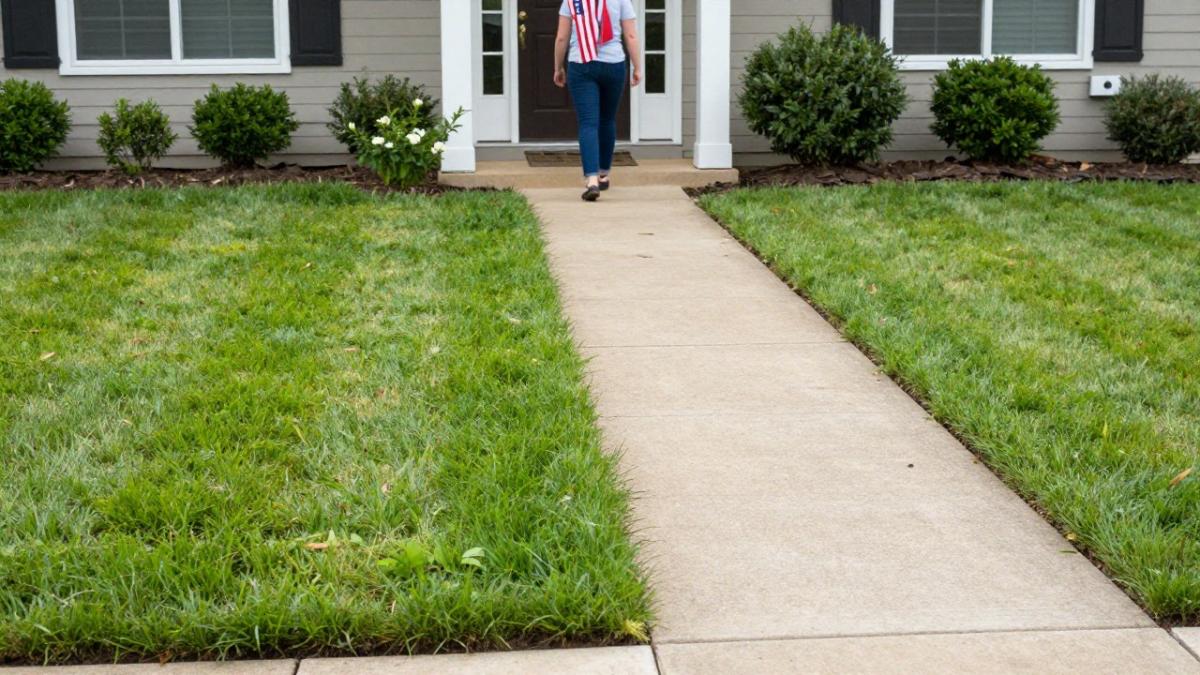
Set the mower height for your grass species rather than cutting to a single default. Our guide to proper lawn mowing heights for healthy grass lists specific height ranges for common grass types. Cool-season grasses generally do well at a taller height than warm-season varieties. Keep to a regular schedule, and never remove more than about one-third of the blade length in a single pass. Sharp blades matter as well, because dull blades tear grass and leave a grayish, frayed look.
Varied mowing patterns also make a difference. Alternating direction each session keeps grass blades standing upright and gives the lawn a clean, striped appearance that reads as professionally maintained.
2. Seasonal Fertilizing and Soil Health
Fertilizer feeds the grass, but soil health determines whether the feeding works. Before adding any product, test your soil to learn its pH and nutrient levels. Local university extension services can often help with soil testing.
Apply fertilizer in the seasons when your grass grows most actively. Cool-season lawns usually respond best to feeding in early fall, while warm-season lawns need nutrients during active summer growth. Avoid heavy applications in extreme heat or drought, when grass can burn.
Healthy soil also supports the lawn over time. Aeration relieves compaction, and overseeding thickens thin areas, which helps the lawn resist weeds and disease.
3. Edging, Mulching, and Clean Beds
Edges and beds are where a lawn's finished look comes from. Crisp edges along walkways, driveways, and garden beds signal careful maintenance. Without them, even a healthy lawn can look unfinished.
Trim edges after mowing, and keep mulch beds clean and defined. Our step-by-step guide to edging a lawn like a professional walks through the method. Mulch holds moisture, suppresses unwanted growth, and keeps soil temperatures steadier. Refresh it as needed, and remove leaves and debris that smother plants or collect in corners.
A practical habit is to walk the property after each service and check the edges, beds, and any visible debris. Small details like these often influence how a visitor judges the whole yard.
4. Landscaping That Adds Value to a Home
Landscaping beyond the lawn can add lasting appeal, but the return depends on choosing improvements that suit the property and its neighborhood. Plantings, defined beds, and well-placed shrubs tend to improve the impression a home makes from the street. Overbuilt or highly personal features may not carry the same value for future buyers.
Focus on improvements that are easy to maintain and fit the home's style. Balanced plantings, clear sight lines to the entry, and tidy transitions between lawn and beds usually perform better than elaborate installations. Before committing to a large project, consider how buyers in your area typically expect the outdoor space to look.
5. Low-Water and Native Planting Choices
Not every property needs a traditional turf lawn, and some homeowners benefit from low-water or native plantings. Native plants are adapted to local rainfall and soil, which often means lower irrigation needs and fewer inputs over time. Drought-tolerant grasses and groundcovers can also reduce water use while keeping the yard green.
These choices are most useful where water is limited or where the homeowner wants to lower maintenance. Native and low-water designs need planning, though. Research which species suit your climate and sun exposure before planting. A well-designed low-water landscape can look polished, but a poorly chosen one can look neglected.
How to Choose a Lawn Care Service
If you hire help, the right provider matters as much as the work itself. Our guide to lawn care services for high-value homes covers the options suited to higher-value properties. Start by asking how consistently the company arrives, who will be on the property, and how quality problems are handled. Reliability is the main concern for busy households, so ask about scheduling and communication before you sign anything.
Request a clear written description of the services included, such as mowing height, edging, mulching, trimming, and cleanups. Ask about equipment, since professional tools and sharp blades affect the finish. Confirm whether the same crew will serve your property, and what happens if you are not satisfied with a visit. Get a written quote, and compare providers on the same scope of work rather than on price alone.
Many homeowners also look at online directories and reviews when comparing options. Our structured guide to choosing a lawn care company provides a checklist for evaluating providers side by side. Use them as one input, and check that the company describes its services clearly.
Building a Seasonal Schedule and Budget Plan
A seasonal schedule makes lawn care easier to budget and maintain, but the most useful version of that schedule is prioritized by impact rather than by calendar alone. The plan below is organized so you can start with the work that protects value first and add optional improvements as budget allows.
Tier 1: Protect what you already have (lowest cost, highest reliability). Consistent mowing at the correct height for your grass type, clean edging along walks and beds, and debris removal are the foundation. These are recurring costs, but they prevent the visible decline that buyers read as neglect. If the budget is tight, this tier alone keeps the property from losing ground.
Tier 2: Restore and feed (moderate cost, seasonal timing matters). Soil testing through a state university extension service, a seasonal fertilizing plan matched to your grass type, aeration to relieve compaction, and overseeding thin areas. These steps thicken the lawn and improve color over a season or two. They are less visible on day one than new plantings, but they support everything above them.
Tier 3: Enhance curb appeal (higher cost, plan ahead). Refreshed mulch, defined beds, scaled foundation shrubs, and a clear path to the entry. These are the improvements buyers notice in photos and at the curb. They are best scheduled once Tiers 1 and 2 are steady, so the new plantings sit against a healthy lawn rather than a patchy one.
Tier 4: Optional and long-term. Low-water or native plantings, shade trees, and specialty features. These can be valuable, but they carry higher upfront and upkeep costs and should come after the home's interior and major systems are in good repair.
A simple seasonal rhythm. In spring, clean up beds, resume regular mowing, and apply the first feeding when grass is actively growing. In summer, keep mowing height steady and water deeply but infrequently. In fall, aerate, overseed if needed, and apply the seasonal feeding that cool-season grasses respond to. In winter, clear debris and plan next year's Tier 3 and Tier 4 projects.
When lawn work will not move value. Be realistic: if the roof is aging, the HVAC is failing, or the interior needs work, buyers will discount those items before they reward a new landscape. Over-improving relative to the neighborhood, or choosing high-maintenance features that narrow the buyer pool, can also fail to pay back.
Budgeting approach. Price the recurring Tier 1 work first, since it is the cost you will carry every month. Then set aside a seasonal amount for Tier 2 and a project amount for Tier 3. Because pricing depends on property size, service frequency, and scope, request a current quote from EarthWise Lawn and Landscape LLC through our website so you can compare providers on the same scope of work rather than on price alone.
Lawn care is most effective when it is steady and planned. A realistic schedule, matched to your budget and the condition of your property, will do more for your home's appearance than any single one-time project.
The table below summarises the four priority tiers and when each one pays off, using the scope described in the schedule above.
| Tier | Focus | Cost level |
|---|---|---|
| Tier 1 | Protect what you already have | Lowest cost, highest reliability |
| Tier 2 | Restore and feed | Moderate cost, seasonal timing matters |
| Tier 3 | Enhance curb appeal | Higher cost, plan ahead |
| Tier 4 | Optional and long-term | Higher upfront and upkeep costs |
Frequently Asked Questions
What landscaping adds value to a home?
Improvements that most consistently support value are those that look good from the street and are easy for buyers to see: a healthy, evenly colored lawn, tidy foundation plantings, clean edging, defined beds with mulch, and a clear walkway to the front door. Buyers tend to judge a property within seconds of arriving, so the first impression created by lawn and landscaping matters more than elaborate features in the back yard. Value gains depend on local market conditions and the condition of the rest of the house, so no single percentage applies to every property. Start with low-cost maintenance such as mowing, edging, and mulching before investing in larger projects like new plantings or hardscape.
How often should a lawn be mowed to keep it looking well maintained?
Most lawns look best when mowed weekly during peak growing season and every one to two weeks during slower periods. The more useful guideline is the one-third rule: never remove more than about a third of the grass blade in a single mowing. Cutting too short stresses the turf, invites weeds, and produces brown patches that lower curb appeal. Keep mower blades sharp, since dull blades tear grass and leave a ragged, grayish look. Varying your mowing pattern slightly each time also helps prevent ruts and gives the lawn an even, polished appearance.
How does lawn care affect property value?
A well-maintained lawn supports first impressions, and first impressions influence how buyers and appraisers view a property's condition. Lawn care does not add value on its own in the way a new roof or updated kitchen might, but a neglected lawn can make a home seem less cared for and invite lower offers. Published estimates of value gains from landscaping vary widely, and many come from industry surveys rather than controlled studies. Treat any single percentage with caution, and focus on keeping the yard in good condition as an ongoing investment.
What should homeowners look for when choosing a lawn care service?
Look for a provider that clearly explains its mowing heights, blade maintenance, and equipment, and that can describe how it handles edging, mulching, and minor cleanups. Ask who will visit your property and whether the same crew returns each time, since consistency matters for a polished result. Request a written scope of work and confirm how problems are addressed if you are unhappy with the results. Get quotes in writing from several providers, and compare what each includes rather than only the headline price. For current pricing and service details, check the provider's website or request a quote directly.